Alsi Seeds: The Punjabi Name for Flax Seeds, Explained
Alsi seeds are flax seeds — the Punjabi and Urdu name for the same nutty, omega-3-rich seed. Learn the nutrition, benefits, price, and how to use alsi daily.
Share this article by copying the URL from your browser.

Key Takeaways for Alsi Seeds: The Punjabi Name for Flax Seeds, Explained
- ✓Alsi seeds are flax seeds — the Punjabi and Urdu name for the same nutty, omega-3-rich seed. Learn the nutrition, benefits, price, and how to use alsi daily.
- ✓Based on scientific research and traditional knowledge
- ✓Read time: 6 min read
If you've searched "alsi in Punjabi" or "flax seeds in Punjabi," you've probably landed on a generic flaxseed article that never actually answers the question. We pulled our own Search Console data for this site and found something telling: pages already rank at position 6 for "flax seeds in Punjabi" and position 9 for "alsi in Punjabi" — both on page one — even though almost nobody has written a page that directly answers the naming question. That gap is exactly what this guide closes: what alsi actually is, why the name confuses buyers, and how to use these seeds every day.
What Are Alsi Seeds?
Alsi seeds are flax seeds. There is no difference between them — alsi is simply the Punjabi and Urdu word for the seed of the flax plant (Linum usitatissimum), the same small, oval, reddish-brown seed sold in English-language nutrition writing as "flaxseed" or "linseed." If a recipe, a doctor, or a nutrition label calls for flax seeds and you only have alsi at home, you already have exactly what's needed — the products are identical, just named in different languages.
Alsi vs Flax Seeds vs Linseed: Same Seed, Three Names
The confusion isn't really about nutrition — it's about language. In Pakistan and Punjab, alsi is the everyday kitchen word, passed down the same way gur is used for jaggery and haldi for turmeric. In English-language packaging and most Western nutrition writing, the same seed appears as "flax seed" (more common in North America) or "linseed" (more common in the UK and in industrial or oil contexts). None of these are different products, different varieties, or different processing methods — they're one seed with three labels depending on where you're standing.

Nutritional Profile of Alsi (Flax) Seeds
Alsi's health reputation is well earned. Flaxseed is one of the richest plant sources of alpha-linolenic acid (ALA), the plant-based omega-3 fatty acid, alongside a dense supply of soluble fiber and lignans — plant compounds that act as antioxidants and mild phytoestrogens in the body. A comprehensive review of flaxseed's pharmacological and nutraceutical properties, published on PMC, describes flaxseed as one of the most concentrated whole-food dietary sources of ALA available, ahead of most other plant foods. Two tablespoons of ground alsi seeds typically supply close to the full daily ALA target most adults need, alongside roughly 4g of fiber and a meaningful dose of plant lignans in the same serving.

7 Health Benefits of Alsi Seeds, Backed by Research
Research on flaxseed points to seven well-documented areas of benefit. Heart health comes first: a randomized controlled trial in patients with peripheral arterial disease found that 30 grams of milled flaxseed daily for six months significantly lowered both systolic and diastolic blood pressure. Second, cholesterol — the ALA in alsi seeds appears to reduce cholesterol buildup in blood vessels. Third, inflammation — the same fatty acids calm inflammation in artery walls and joints alike, which is why flaxseed shows up in research on inflammatory conditions beyond the heart. Fourth, hormone-sensitive cancer risk — lignans are fermented by gut bacteria into compounds that several studies associate with a lower risk of breast and prostate cancer. Fifth, digestion — the soluble fiber in alsi feeds beneficial gut bacteria and adds bulk that supports regular bowel movements, the same reason a spoonful in warm water has been a traditional remedy for constipation for generations. Sixth, blood sugar control — the fiber and mucilage in alsi slow how quickly a meal's sugars enter the bloodstream, which is useful for anyone managing steady energy levels through the day. Seventh, skin and hair — the same ALA and antioxidant compounds that protect the heart are commonly credited with supporting skin elasticity and hair strength when alsi is eaten consistently rather than applied topically.
How to Use Alsi Seeds Every Day
Alsi works two ways — whole or ground — and the form matters. Whole alsi seeds pass through digestion largely intact, so most of the ALA and lignans stay locked inside the hard seed coat. Grinding, even a rough grind in a coffee or spice grinder, breaks that shell and makes the nutrients available. Grind only a week's supply at a time and store it airtight in the fridge, since ground flax oxidizes faster than the whole seed. Stir a tablespoon into oats, yogurt, smoothies, or atta for roti; it has a mild, nutty flavor that doesn't fight other ingredients. Alsi seed oil, a cold-pressed extract of the same seed, delivers the ALA in concentrated form for anyone who doesn't enjoy the texture of ground seeds, though it lacks the fiber and lignans that come from eating the whole seed.

Alsi Seeds Price in Pakistan and Where to Buy Them
Pricing depends on whether you're buying whole seeds, ground alsi powder, or cold-pressed alsi seed oil, and on how the seeds were cleaned and stored before packing. As a working benchmark, our own 250g pack of whole alsi (flax) seeds retails at Rs. 380 — a useful reference point if you're comparing alsi seeds price across sellers online. Buying alsi seeds online in Pakistan is convenient, but check the pack date rather than just the expiry date; flax seeds are naturally oil-rich, and stock that has sat in a warehouse for months loses freshness well before it technically expires.
Common Mistakes When Buying or Storing Alsi Seeds
The most common mistake is buying pre-ground alsi seeds powder in bulk and leaving it in a warm pantry — the oils in ground flax turn rancid within a few weeks at room temperature, long before the expiry date on generic packaging. Store ground alsi in the refrigerator, and whole seeds in a cool, dark, airtight container, where they'll comfortably last 6–12 months. A second mistake is expecting alsi to taste like nothing; it has a distinct nutty flavor that turns noticeably bitter once it's gone stale — that bitterness is a sign the batch has oxidized and should be replaced, not a normal characteristic of fresh seed.
Is Alsi Right for Daily Use?
For most healthy adults, one to two tablespoons of ground alsi seeds a day is a well-supported, low-risk way to add fiber and plant-based omega-3s to an ordinary diet. People on blood-thinning medication, pregnant women, and anyone managing a hormone-sensitive condition should check with a doctor before adding a daily lignan source, since flaxseed's mild phytoestrogen activity is exactly the property some of the cancer-risk research is built on.
Frequently Asked Questions
Is alsi the same as flax seeds?
Yes. Alsi is the Punjabi and Urdu word for flax seed (Linum usitatissimum) — there is no nutritional or botanical difference. Alsi, flax seed, and linseed all refer to the exact same seed.
What is alsi called in English?
In English, alsi is called flax seed (more common in North American writing) or linseed (more common in the UK). Both terms describe the identical seed sold as alsi in Pakistan and Punjab.
How much alsi should I eat per day?
Most nutrition guidance suggests one to two tablespoons (about 7-14g) of ground alsi seeds daily for a healthy adult. Grinding matters — whole seeds pass through digestion largely intact.
Can I use alsi seed oil instead of the seeds?
Alsi seed oil provides the same omega-3 ALA in concentrated form but lacks the fiber and lignans of the whole seed. Use the oil for the fatty-acid benefit alone; use ground seeds if you also want the fiber and lignan benefits.
Where can I buy alsi seeds online in Pakistan?
We sell whole alsi (flax) seeds, ground alsi powder, and alsi seed oil, sourced and packed for freshness — see our Flax Seeds (Alsi) product page for current pricing and pack sizes.
Shop the Products in This Guide
References & Further Reading
- •Pharmacological, nutraceutical, and nutritional properties of flaxseed (Linum usitatissimum)
- •A comprehensive review of the health benefits of flaxseed oil
- •Dietary flaxseed: Cardiometabolic benefits and its role in promoting healthy aging
- •Flax and flaxseed oil: an ancient medicine and modern functional food
- •The cardiovascular effects of flaxseed and its omega-3 fatty acids
Explore Our Premium Pantry Collection
Discover clean-label essentials across sweeteners, spices, seeds, and wellness powders.
Shop ProductsRelated Articles
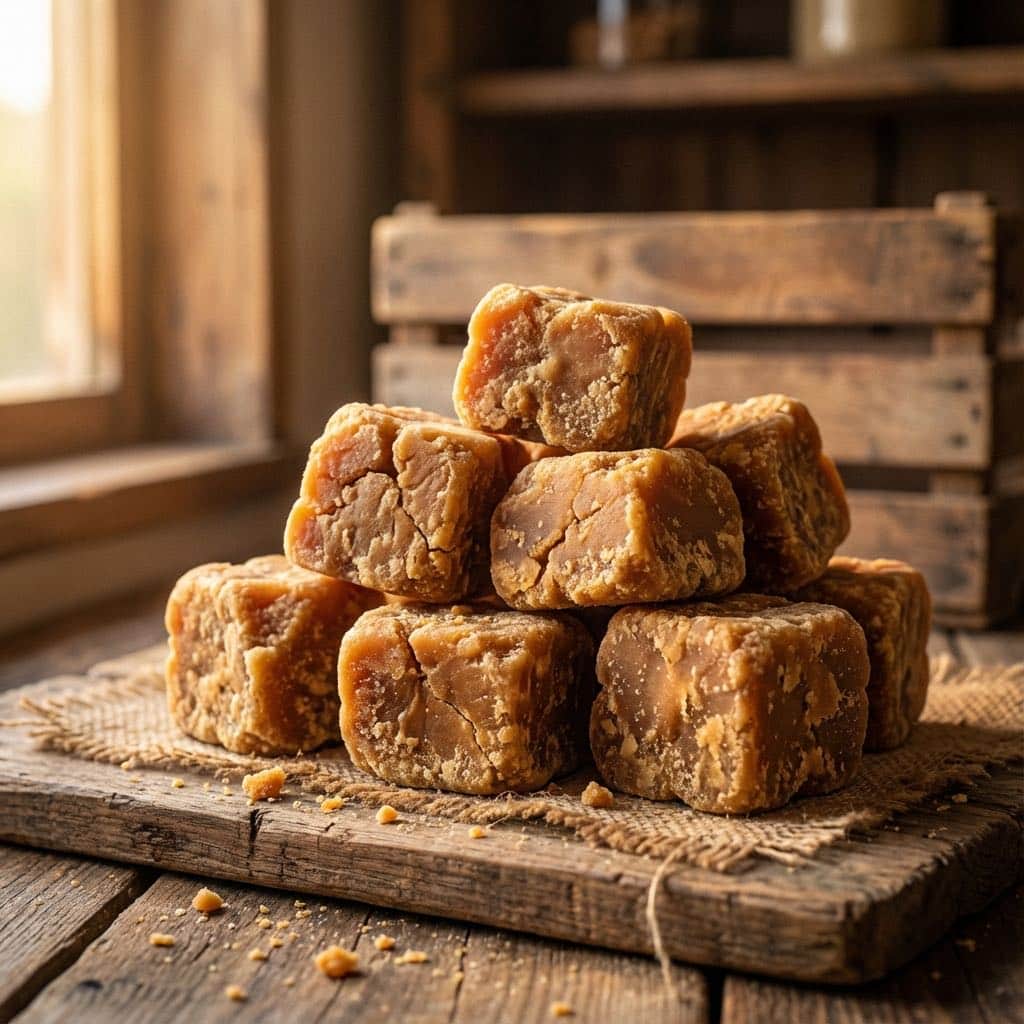
Jaggery (Gur): Comprehensive Health Benefits and Scientific Research
Discover the extensive health benefits of jaggery backed by scientific research. From iron deficiency to digestive health, learn why jaggery is a superior natural sweetener.
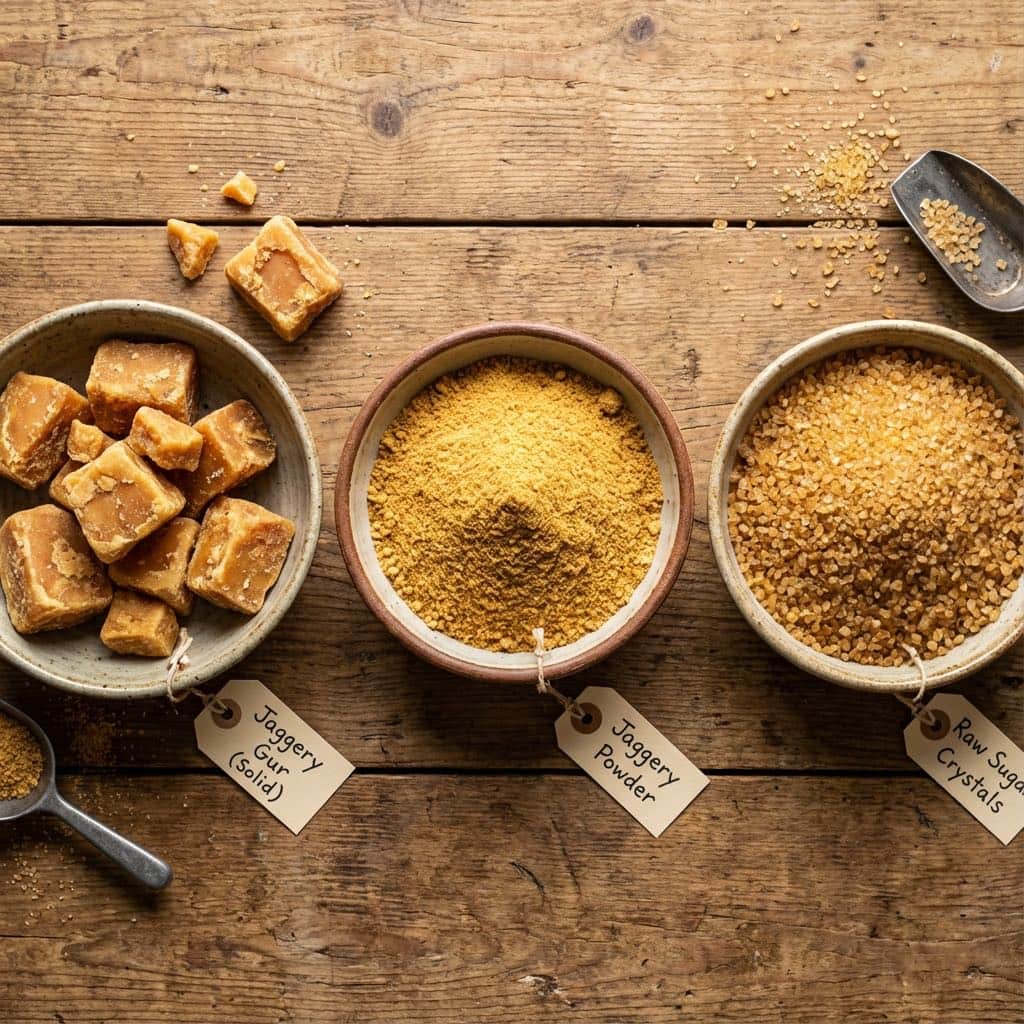
Comparative Analysis: Jaggery vs Jaggery Powder vs Raw Sugar
A comprehensive comparison of the three natural sweeteners, their health benefits, nutritional profiles, and best uses based on scientific research.