Moringa Powder in Pakistan: Benefits, Price & How to Use It
Everything to know about moringa powder in Pakistan: real nutrition data, a fair price benchmark, and exactly how to use it daily.
Share this article by copying the URL from your browser.

Key Takeaways for Moringa Powder in Pakistan: Benefits, Price & How to Use It
- ✓Everything to know about moringa powder in Pakistan: real nutrition data, a fair price benchmark, and exactly how to use it daily.
- ✓Based on scientific research and traditional knowledge
- ✓Read time: 6 min read
Search "moringa powder price in Pakistan" and you'll find plenty of impressions but almost no clicks — we checked our own Search Console data and found that query alone generates real, recurring search volume, yet most of the pages currently ranking for it never actually state a number. Buyers land on a listing, can't find a price, and leave. This guide fixes that: real pricing, real nutrition data, and a straight answer on how to use moringa powder daily.
What Is Moringa Powder?
Moringa powder is made by drying and finely grinding the leaves of Moringa oleifera, a fast-growing tree native to South Asia and sometimes called the "drumstick tree" for its long seed pods. The leaves are harvested, air-dried out of direct sunlight to preserve color and nutrients, then milled into a fine, earthy-green powder. Unlike moringa seed oil or moringa root — both used differently in traditional practice — moringa leaf powder is the form used for everyday nutrition, stirred into drinks rather than applied topically.
Moringa Powder Nutrition: What the Research Actually Shows
Moringa leaf's nutrition profile is unusually dense for a leafy plant product. A comprehensive review of Moringa oleifera published on PMC reports protein content over 25% by dry weight — comparable to high-protein foods like eggs, milk, and meat, which is rare for a plant-based source. The same body of research links moringa leaf powder to meaningful improvements in iron-deficiency anemia: in one clinical study, anemic women of reproductive age who supplemented with moringa leaf powder saw statistically significant increases in both hemoglobin and ferritin levels compared to a control group. Beyond iron, moringa is credited with antioxidant, anti-inflammatory, and antimicrobial activity, and safety studies found no harmful effects even at oral doses far higher than a typical daily serving.

Moringa Powder Price in Pakistan: What You Should Expect to Pay
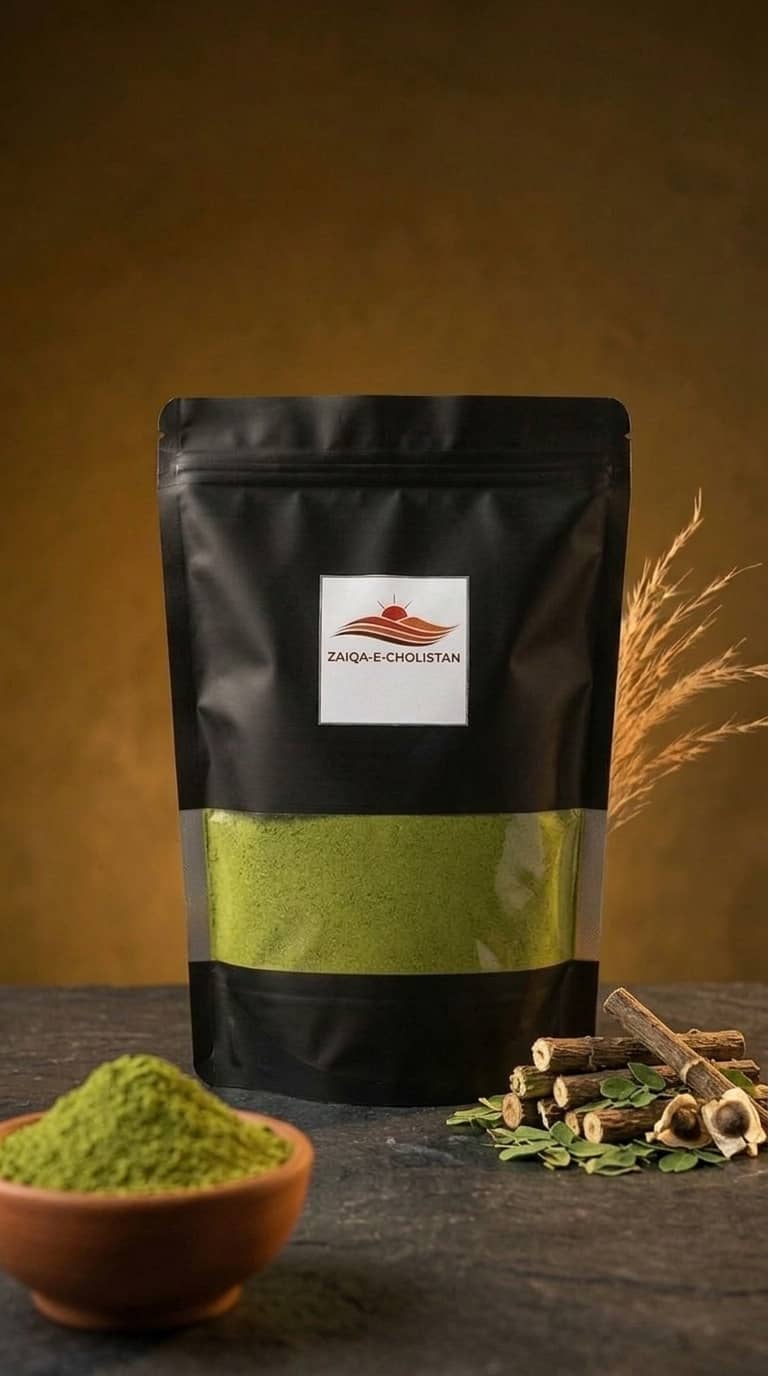
Pricing varies by pack size, leaf quality, and whether the powder is certified organic. As a working benchmark, our own 200g pack of organic moringa powder retails at Rs. 950 — which puts fair, quality-checked moringa leaf powder in Pakistan at roughly Rs. 4.5–5 per gram once packaging and freshness testing are accounted for. If you see moringa powder priced dramatically below that per-gram benchmark, it's worth asking where the leaf was sourced and how it was dried; moringa is sensitive to heat and direct sunlight during processing, and cheap drying is usually where quality gets cut first. The cost of moringa powder from small, careful producers will almost always sit above mass-market bagged versions for exactly this reason.

How to Use Moringa Powder Daily
Moringa has an earthy, slightly bitter, spinach-like taste that's easiest to enjoy in small daily servings rather than large ones. Start with half a teaspoon stirred into a smoothie, warm water with lemon, or yogurt, and build up to a full teaspoon — roughly 2–3g — once you're used to the flavor. It pairs well with citrus, honey, and fruit, which soften the bitterness. Because moringa is heat-sensitive, avoid stirring it into boiling liquids; add it after your tea, soup, or drink has cooled slightly to preserve more of the active compounds. A teaspoon whisked into a warm-water-and-lemon start to the day is the single most common way our own customers tell us they use it.
Moringa Powder vs Moringa Capsules: Which Should You Buy?
Moringa is also sold as capsules or tablets, and the honest answer is that the powder form gives you more control. A standard moringa capsule typically contains a fixed 400–500mg dose, so matching an effective daily serving means swallowing several capsules — while a teaspoon of powder gets you there in one go, mixed into whatever you're already drinking. Powder also lets you see and smell the product directly, which makes it far easier to judge freshness and color; a capsule hides a stale, over-processed fill behind an opaque shell. Capsules do win on portability and on masking moringa's bitter taste, which matters if you travel often or dislike the flavor.
Organic Moringa Oleifera vs Regular Moringa Powder: Does It Matter?
Organic certification for moringa mainly speaks to how the tree was grown — without synthetic pesticides or fertilizers — rather than a fundamentally different nutrient profile. That said, in practice, organic and small-batch moringa oleifera powder tends to come from farms with tighter control over harvest timing and drying conditions, which does affect nutrient retention and final color. A vivid, uniform green powder is a reasonable visual proxy for careful drying; a dull, brownish powder usually signals sun exposure or heat during processing, both of which degrade the leaf's antioxidant content before it ever reaches your kitchen.

How to Choose the Best Moringa Powder Brand
Three things separate a good moringa powder brand from a mediocre one. First, leaf-only sourcing — not a blend padded with stems or seed material, which dilutes both the nutrition and the flavor. Second, a visible pack date rather than just a distant expiry date, since moringa's antioxidant content declines gradually once a pack is opened and exposed to air. Third, a fine, consistent texture with no visible clumping or discoloration. Buying a 200g size rather than a large bulk bag is also worth considering for the same reason — smaller packs get used up, and finished, before the powder has time to fade. If a listing can't tell you where the leaf was grown or when it was milled, treat that silence as the answer.
Is Moringa Powder Worth Adding to Your Routine?
For most healthy adults, moringa powder is a low-risk way to add plant protein, iron, and antioxidants to an everyday diet, particularly for anyone who doesn't eat much leafy green vegetables. It isn't a substitute for medical treatment of diagnosed anemia or any other condition, and pregnant women should check with a doctor before adding moringa daily, since some traditional use associates high doses with uterine stimulation. Used sensibly, in the small daily servings described above, it's one of the more evidence-backed additions you can make to a plant-based wellness routine.
Frequently Asked Questions
What is moringa powder used for?
Moringa powder is a plant-based nutrition supplement made from dried Moringa oleifera leaves. People use it daily in smoothies, warm water, and juices for iron, antioxidants, and general wellness support.
How much does moringa powder cost in Pakistan?
Prices vary by brand and pack size, but a fair benchmark for quality, organic moringa leaf powder in Pakistan is roughly Rs. 4.5-5 per gram. Our 200g pack is priced at Rs. 950.
Is organic moringa oleifera powder better than regular moringa powder?
Organic certification mainly reflects growing practices rather than a different nutrient composition, but organic and small-batch moringa is often processed more carefully, which helps preserve color and antioxidant content.
How much moringa powder should I take daily?
Most people start with half a teaspoon (roughly 1-1.5g) daily and build up to about a teaspoon (2-3g), mixed into a smoothie, warm water, or yogurt rather than eaten alone.
Can I add moringa powder to hot tea or coffee?
It's better to add moringa after your drink has cooled slightly rather than into boiling liquid — moringa's antioxidant compounds are heat-sensitive and prolonged high heat can reduce their potency.
Shop the Products in This Guide
References & Further Reading
- •A review of properties, nutritional and pharmaceutical applications of Moringa oleifera
- •Moringa oleifera Lamk. as a Promising Adjunct Therapeutic Candidate: Narrative Review of Human Studies
- •Moringa oleifera: An Updated Comprehensive Review of Its Pharmacological Activities
- •Nutritional Value of Moringa oleifera Lam. Leaf Powder Extracts
- •Recent Perspectives on Pharmacological, Nutraceutical, Functional Properties of Moringa oleifera
Explore Our Premium Pantry Collection
Discover clean-label essentials across sweeteners, spices, seeds, and wellness powders.
Shop ProductsRelated Articles
Jaggery (Gur): Comprehensive Health Benefits and Scientific Research
Discover the extensive health benefits of jaggery backed by scientific research. From iron deficiency to digestive health, learn why jaggery is a superior natural sweetener.
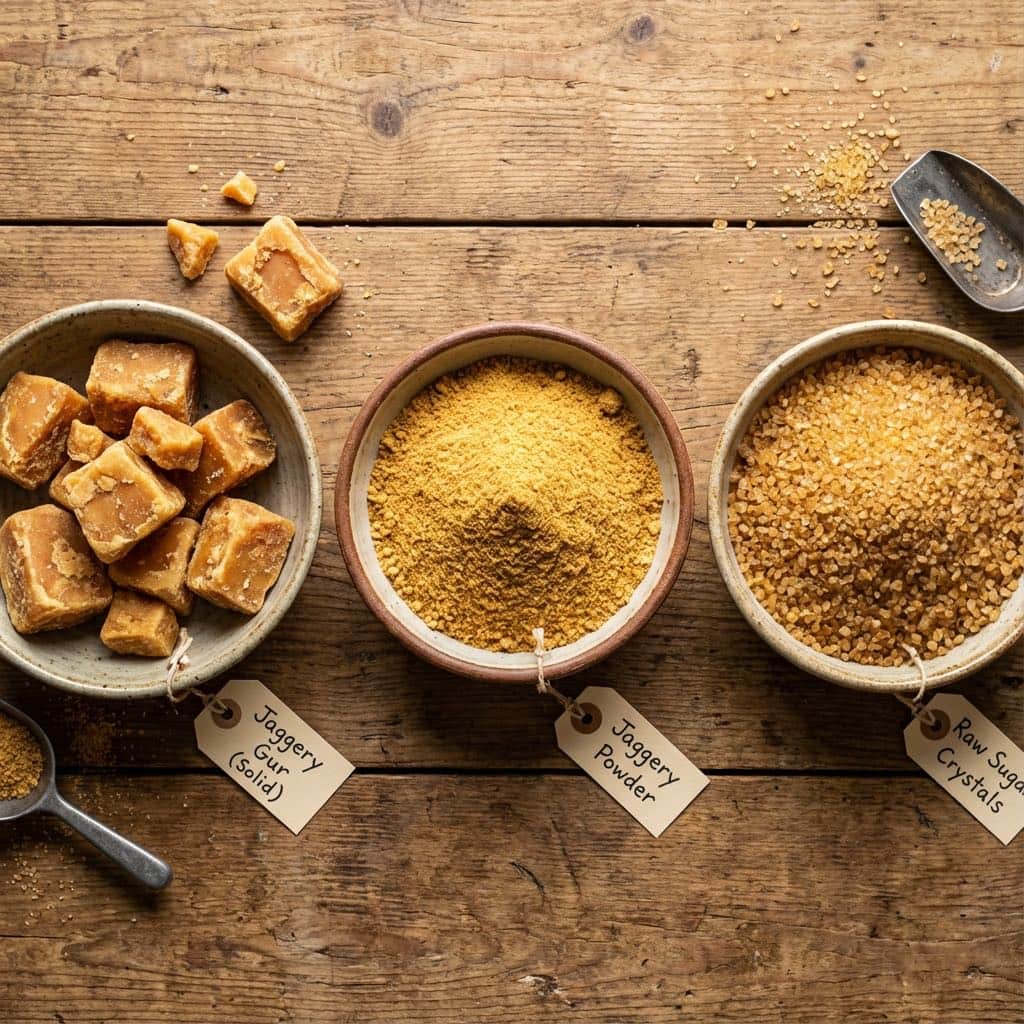
Comparative Analysis: Jaggery vs Jaggery Powder vs Raw Sugar
A comprehensive comparison of the three natural sweeteners, their health benefits, nutritional profiles, and best uses based on scientific research.